Best Red Light Therapy Devices for Gyms and Wellness Centers: B2B Buying Tips
If you run a gym or a wellness studio, you have probably noticed the recovery room is becoming the new front desk. The members asking about red light therapy devices for gyms are usually the ones you most want to keep — they want a reason to come back the day after a hard session, and a red light corner is one of the cheaper ways to give them that reason.
I have helped a few operators spec their first recovery setup, and the same questions come up every time. What do I actually buy? How many? And do I really need my own branded version? This guide walks through it, with the red light therapy OEM manufacturer angle in mind because that is where gyms eventually land.
red light therapy devices for gyms: Why Operators Buy
Two reasons, mostly.
First, recovery is now a service, not a footnote. Ten years ago a foam roller in the corner was enough. Today members expect something that feels deliberate: a dedicated space, a device that does the work, a few quiet minutes after a workout. A wrap or panel fits that moment without needing a staff member to run it. It is the kind of perk that reads as “this gym takes my body seriously.”
Second, it keeps people coming back. Retention is the whole game in fitness, and a recovery perk is sticky. It is the sort of thing a member mentions to a friend (“my gym has red light now”), which is free word-of-mouth you didn’t have to buy. For boutique studios especially, that difference shows up in renewals, not just in first-month signups.
The smart operators treat it like any other piece of floor equipment. Budget for it, place it well, and explain it to members so they actually use it. A device nobody understands is just an expensive shelf collecting sweat towels.
Form Factor Selection
This is where the buying decision gets real, because the form you pick changes cost, floor space, and how members interact with it.
Full-body panels are the headline option. They are stationary, higher LED count, and they cover a lot of surface area at once. Good for a dedicated recovery room where members stand or sit in front of the unit. The trade-off is footprint and shipping weight, and they need a wall mount or a stand.
Targeted wraps are the quieter workhorse. A cordless knee, shoulder, or waist wrap lets a member sit on a bench and treat one area while they scroll their phone. They are lighter, cheaper to buy in volume, and harder to damage. I lean toward wraps for a first rollout, because members understand “put this on your knee” in about two seconds, with no staff explanation required.
For a gym, durability matters more than it does for a home buyer. These things get used ten times a day, not ten times a month. Look for reinforced straps, wipeable fabric, and a battery that survives being left on charge. On our wraps we use a 5000mAh Type-C battery, which is enough for a full day of short member sessions between top-ups.
If you are renting devices to members or offering them as a premium tier, wraps win again. They are portable, they don’t need installation, and a lost or broken unit is a manageable loss rather than a wall-mounted write-off. Think about your model before you buy the hardware, because the hardware locks the model in.
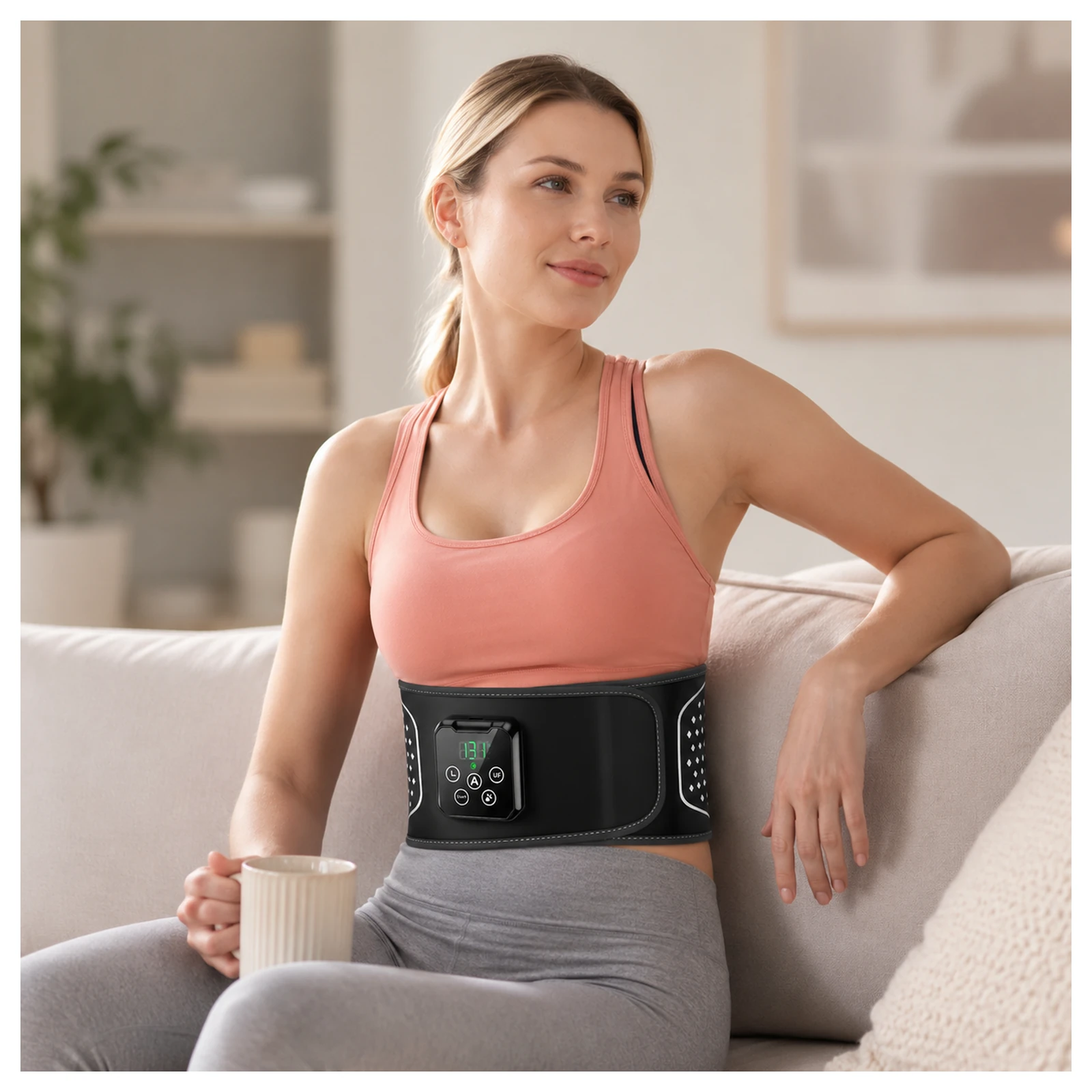
If lower-back and core recovery is a common request from your members, the red light waist wrap is a practical anchor SKU. It is the one members reach for after leg day, and it is easy to demonstrate in thirty seconds at the front desk.
OEM/ODM for Gym Brands
Once you have decided red light earns its spot on your floor, the next question is whether to buy generic or build your own. For gyms with a real member base, branding the device is often worth it.
A private-label version puts your logo on the device and the box. Members stop seeing “a red light wrap” and start seeing “the [Your Gym] recovery wrap.” That is brand equity you keep every time someone uses it. We can handle logo placement, gift-box packaging, and manual localization as part of a normal order, so the device looks like yours from the charger to the carton.
App connectivity is the feature operators ask about most. A branded app that tracks session time, reminds members to recover, or simply shows your logo on their phone turns a one-off purchase into a small daily touchpoint. It is optional, but for gyms building a membership habit, it pulls real weight, because it keeps your name on the lock screen.
Then there is fleet pricing and warranty, which is its own conversation. A gym buying twenty or fifty units has different needs than a single home buyer. You want volume pricing, yes, but you also want a warranty that covers a device used by strangers all day. Ask about spare-unit terms and how replacements ship, because at fleet scale a dead unit is lost revenue, not just an inconvenience you can shrug off. If you want the production side spelled out — sampling steps, inspection points and what can be changed — it is on our manufacturing scope page.
Our typical MOQ starts around 300 units per SKU, with a 7–10 day sample so you can feel the build quality before committing, and a 30–45 day production run after you approve the sample. For a gym brand, that sample round is the right moment to test the strap and the battery under real member use, not just on a desk.
If you are weighing the build-versus-buy decision, it helps to talk to a red light therapy OEM manufacturer who has done gym fleets before. We have spec’d recovery rooms from single-location studios up to multi-branch operators, and the brief usually gets simpler after the first conversation, once you know which form factor your members actually grab.
Ready to take the next step on your red light product?
Tell us your target market and form factor — we’ll send a brief template and a sample quote.