FDA Red Light Therapy Device Registration vs Clearance: What Importers Need
I get this question almost every week from new buyers: “is your device FDA approved?” The honest answer about fda red light therapy device registration is more useful than a simple yes or no, and it usually changes how they write their listings.
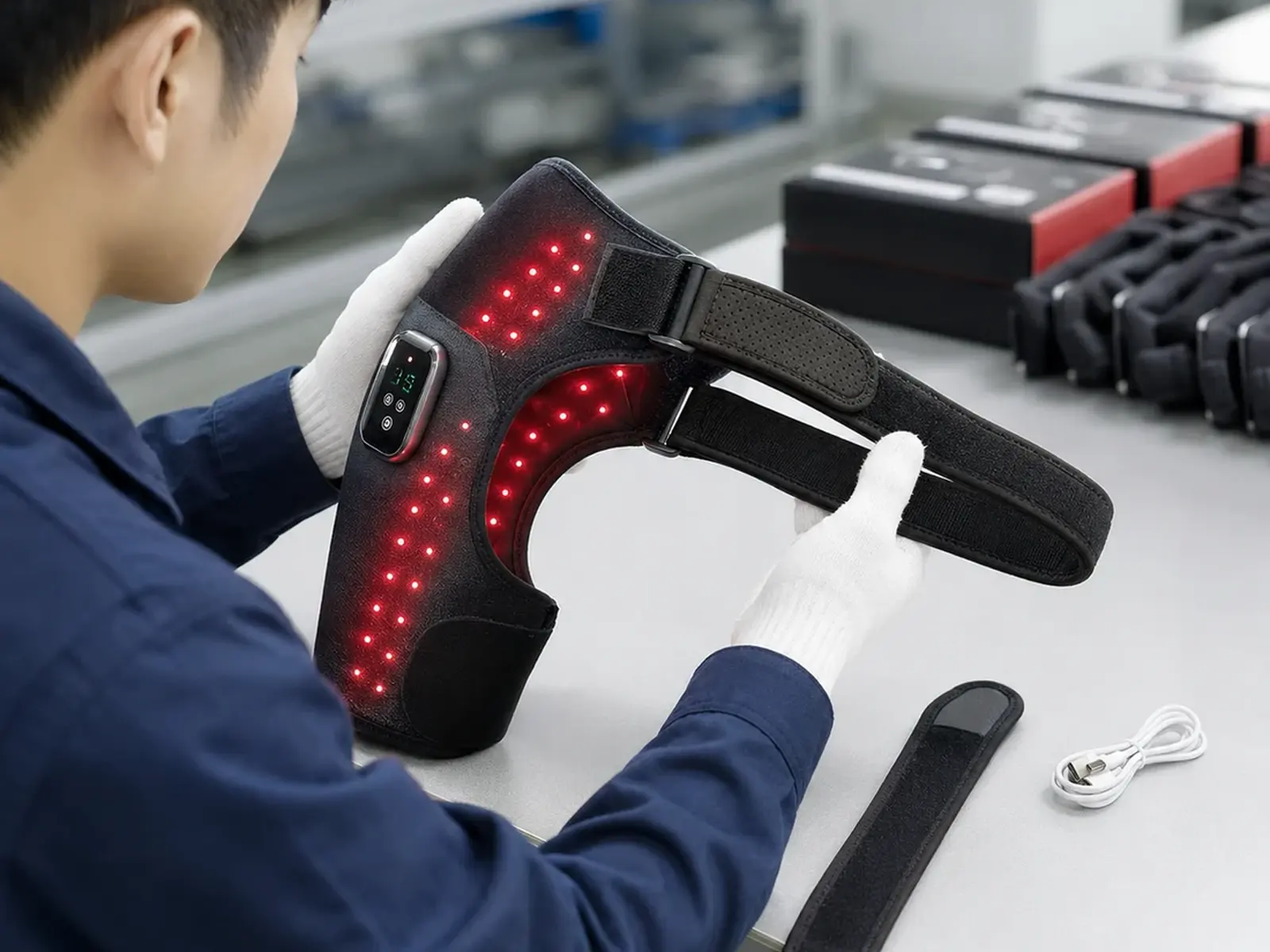
The short version is this: for a wellness red light product, the goal is almost never “FDA approved.” What actually matters is understanding the difference between registering and clearing, and picking the path that fits the claims you want to make. The two terms get tossed around as if they’re one thing. They aren’t, and the gap between the two words is where most compliance trouble starts.
fda red light therapy device registration: What Buyers Confuse It With
A lot of supplier pages blur these two terms together. They are not the same, and mixing them up is how a brand ends up with a listing it can’t defend.
FDA establishment registration is exactly what it sounds like. A facility that makes or distributes devices tells the FDA who it is and what it produces. It is an administrative step. It does not mean the agency reviewed your product or said it works.
FDA clearance, by contrast, is a substantive review. A 510(k) submission (or, for some newer products, a De Novo) means the agency has looked at the device and agreed it is substantially equivalent to something already legally on the market for a specific intended use. That is a much higher bar, and it is the one medical-device makers live under.
Here is the part that matters for you: most consumer red light wraps and panels sit in the wellness space, not the medical space. They are often treated as low-risk general-wellness products. Think of them the way you would think of a heating pad or a massage roller. The factory registers, the product carries the right electrical safety marks (FCC in the US, plus the photobiological safety test), and you keep your marketing about comfort and recovery. That path is realistic and common.
What you cannot do is take a registered wellness device and quietly imply it is cleared for a medical purpose. Registration does not turn into clearance just because the word “FDA” appears on your page. I have watched buyers lose a listing overnight for exactly that mistake, and it is painful to watch because it was avoidable.
When You Need a 510(k)
You need the heavier path the moment you make a medical claim. Words like “treat,” “cure,” “heal,” or “relieve arthritis” move your product out of wellness and into regulated medical-device territory. Now you are a 510(k) applicant, and the timeline, the cost, and the evidence requirements jump by an order of magnitude.
For most private-label brands, that is a door you do not need to walk through. The wellness angle is both safer and a better business story. You are selling recovery, relaxation, and muscle soothing after a workout or a long day. That is a real, valuable promise, and it stays on the low-risk side of the line.
So the practical rule I give buyers is simple: decide on your claims first, then let the claims decide your path. If your copy says “helps you unwind and feel less tight,” you are in wellness. If your copy says “treats joint inflammation,” you have signed up for a clinical-grade regulatory journey you probably did not budget for.
There is also a useful policy worth knowing. The FDA has a general-wellness guidance that says low-risk products intended for general wellness, and not claiming to diagnose or treat a disease, are not actively regulated as medical devices. For a red light wrap marketed for comfort and relaxation, that guidance is your friend. It is the reason most consumer products in this category never need a 510(k) at all.
One more nuance: some red light products already on the US market do hold 510(k) clearance for specific medical indications. That does not make every similar-looking wrap cleared. Clearance is tied to a specific intended use and a specific submission, not to the technology in general. Do not assume your competitor’s status applies to your SKU.
Factory Documentation Needs
If you go the wellness route (and most of you should), the factory’s paperwork is what protects you at customs and on the marketplace. Here is what I would want in hand before I ordered a bulk run:
- Establishment registration record for the manufacturing facility, so any “registered” claim you make is true and traceable.
- ISO 13485 certification where applicable. It is the quality-management standard for medical-device manufacturing, and even wellness-focused factories benefit from running it, because it shows the line is disciplined.
- A documented quality management system (QMS) covering incoming component checks, in-process inspection, and final QC, with records you can actually request.
- Electrical and safety test reports for your market: FCC for the US, plus photobiological safety (IEC 62471) for the light output.
If you do end up needing a 510(k), the clearance holder is responsible for the device’s compliance, and the factory’s role shifts to supplying design history and test data. That is a different kind of relationship, and it is worth knowing before you negotiate it.
If you are building a private-label red light therapy device, ask your supplier for these documents up front. A factory that hands them over without a fight is a factory you can trust with your brand name. Our typical MOQ is 300 units per SKU, with a 7–10 day sample and a 30–45 day production run, and we keep the registration and quality records current so your order moves cleanly. You can read more about how we operate on our about page.
When the paperwork is boring and complete, everything else gets quietly easier. Shipping, listing, reorders. That is the whole point.
Ready to take the next step on your red light product?
Tell us your target market and form factor — we’ll send a brief template and a sample quote.